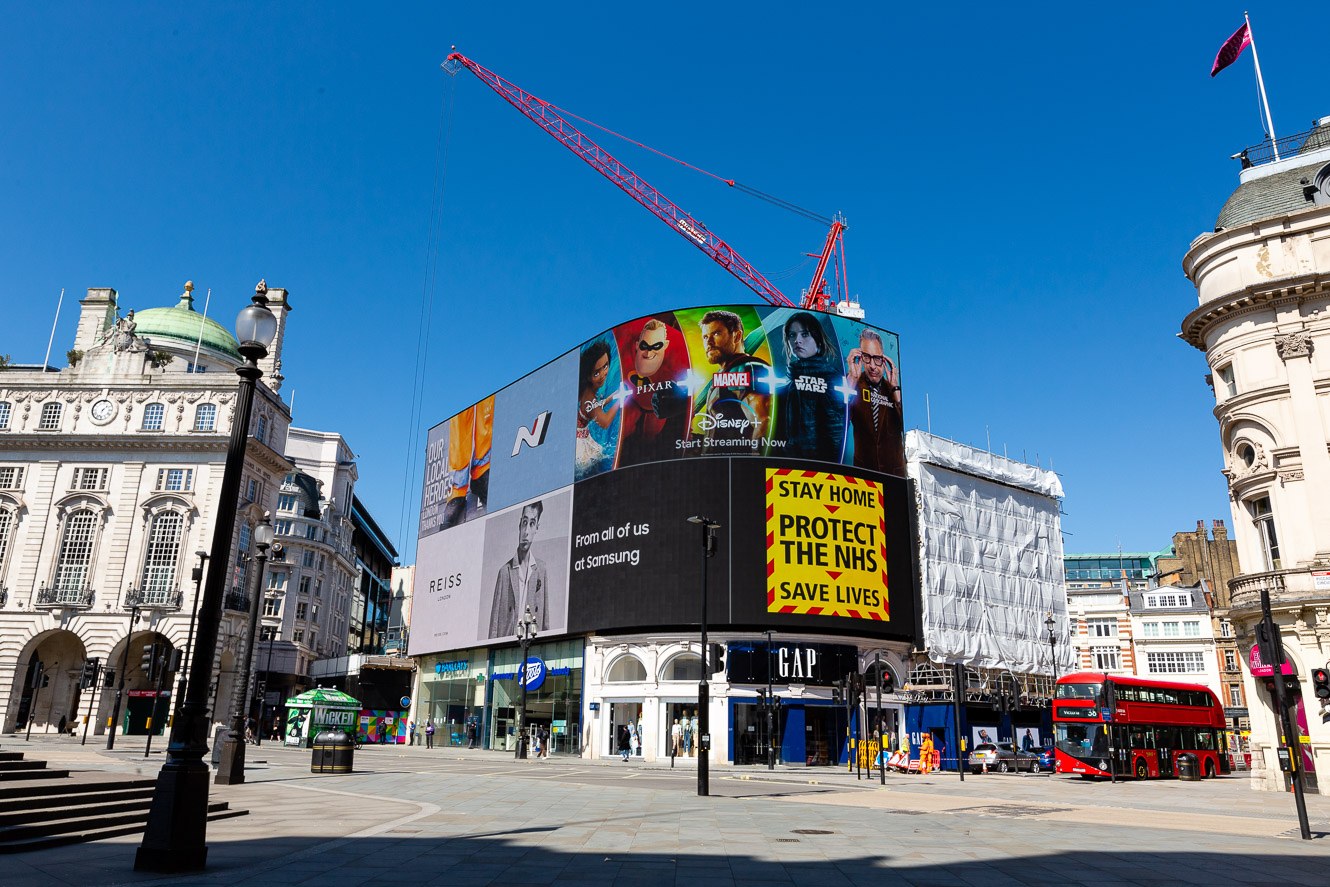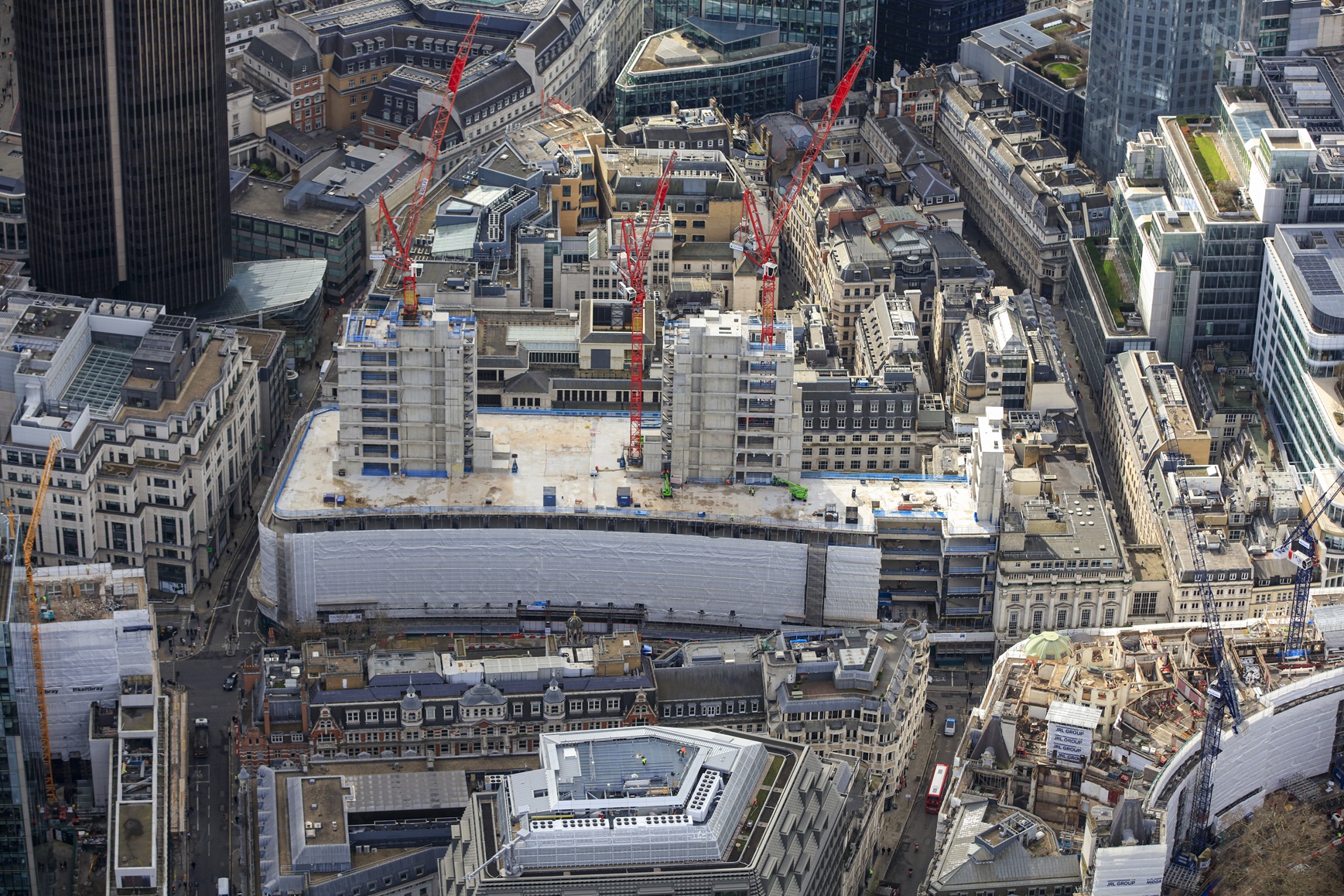
75 London Wall
City of London
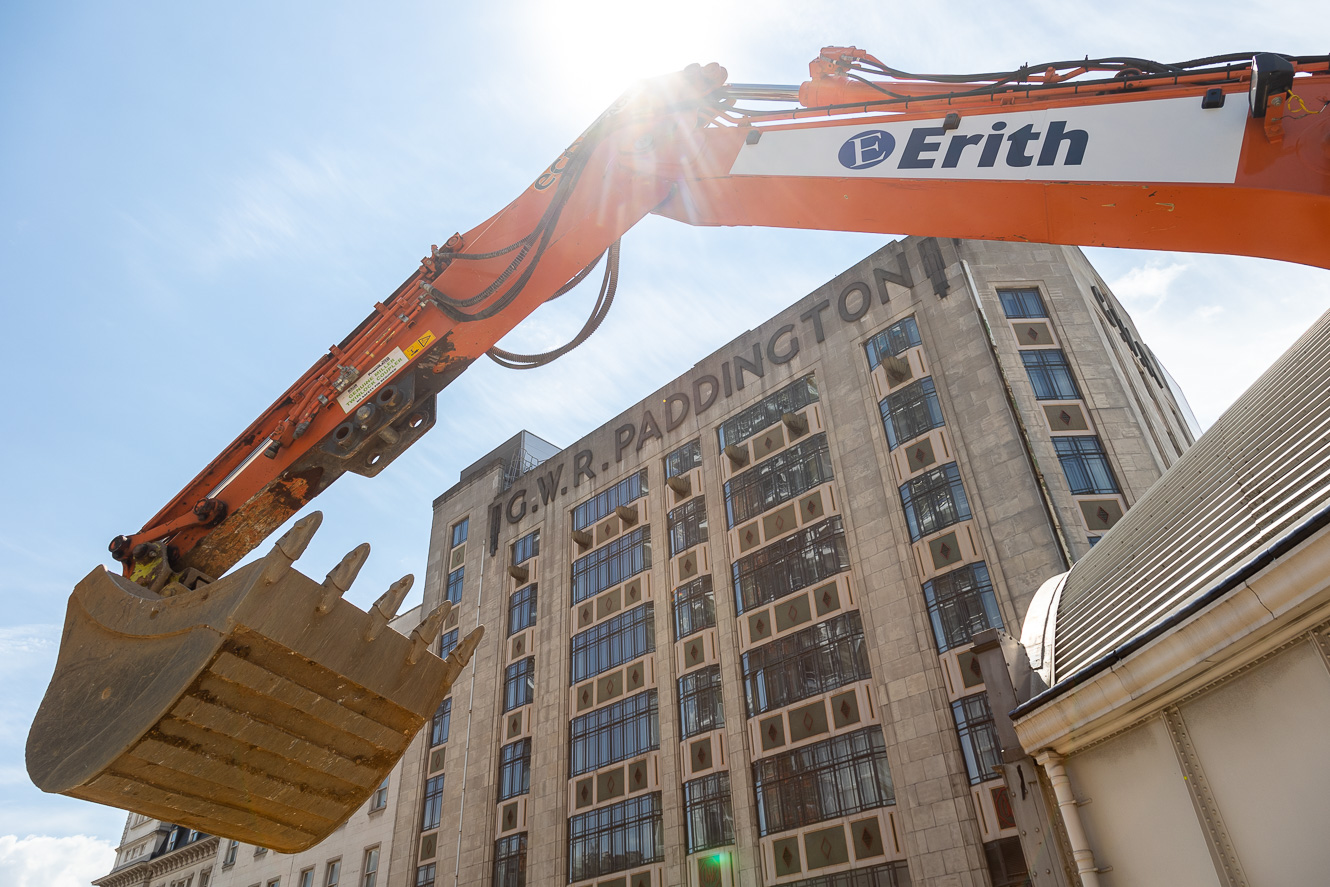
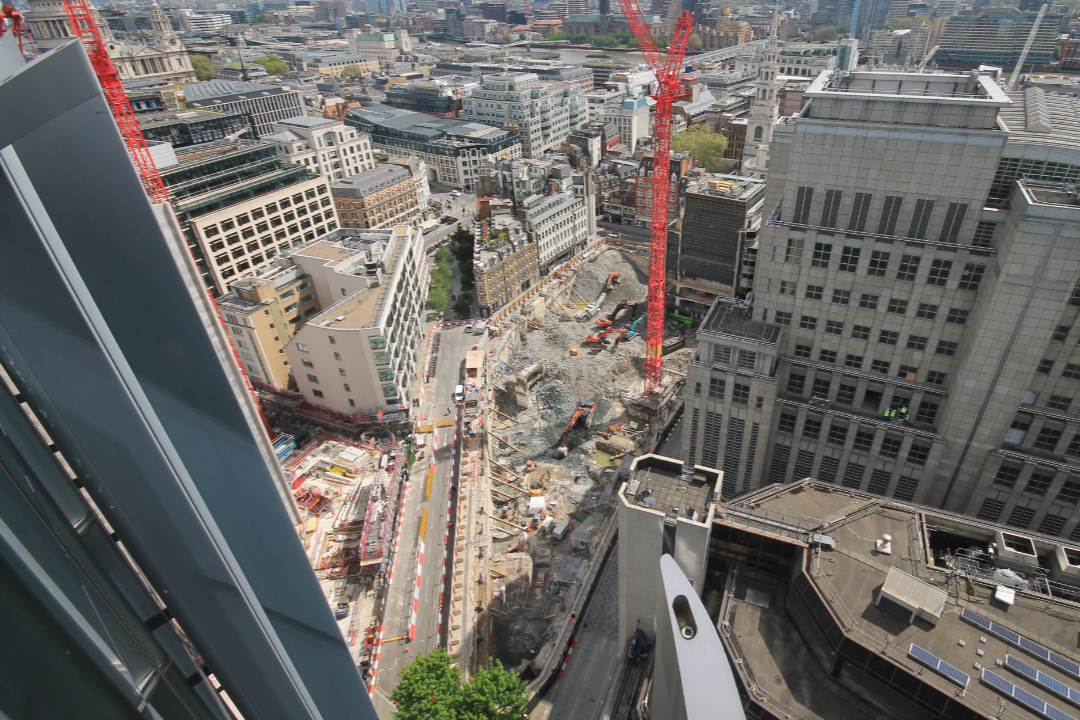
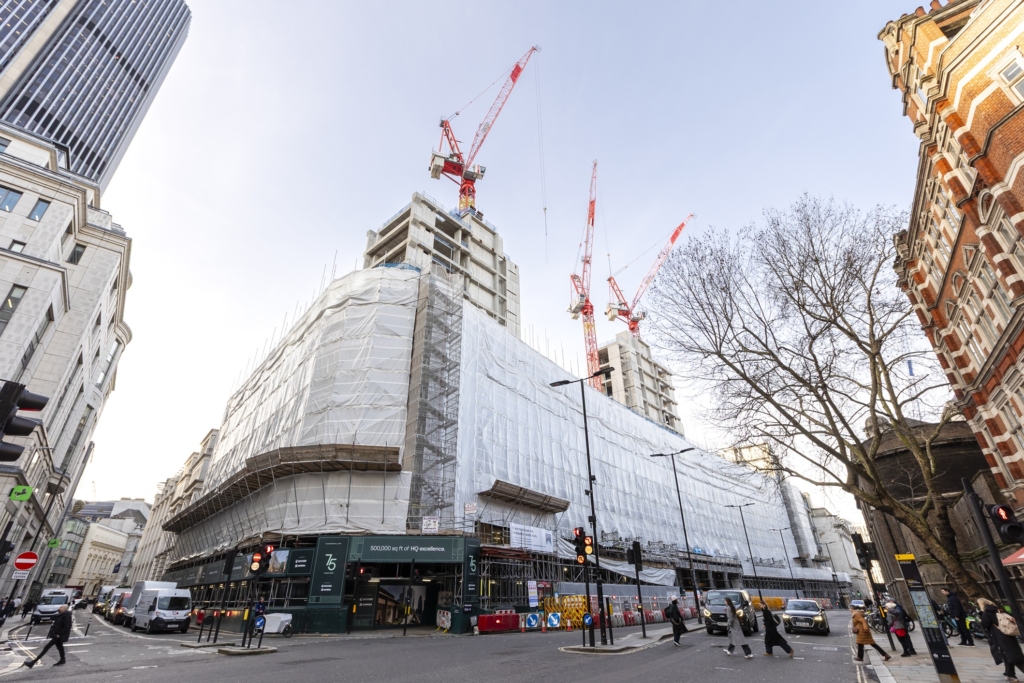
75 London Wall is a redevelopment of a nine-storey reinforced concrete office building with two basement levels, reduced to six floors and extended to thirteen storeys. Swanton Consulting delivered the temporary works engineering from tender through to completion, leading the development of strategy, design coordination, and key technical decision-making throughout the project.
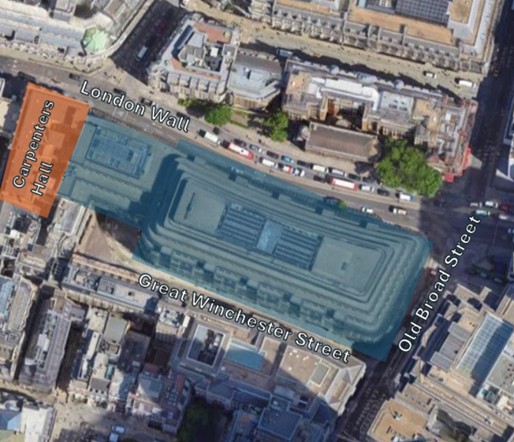
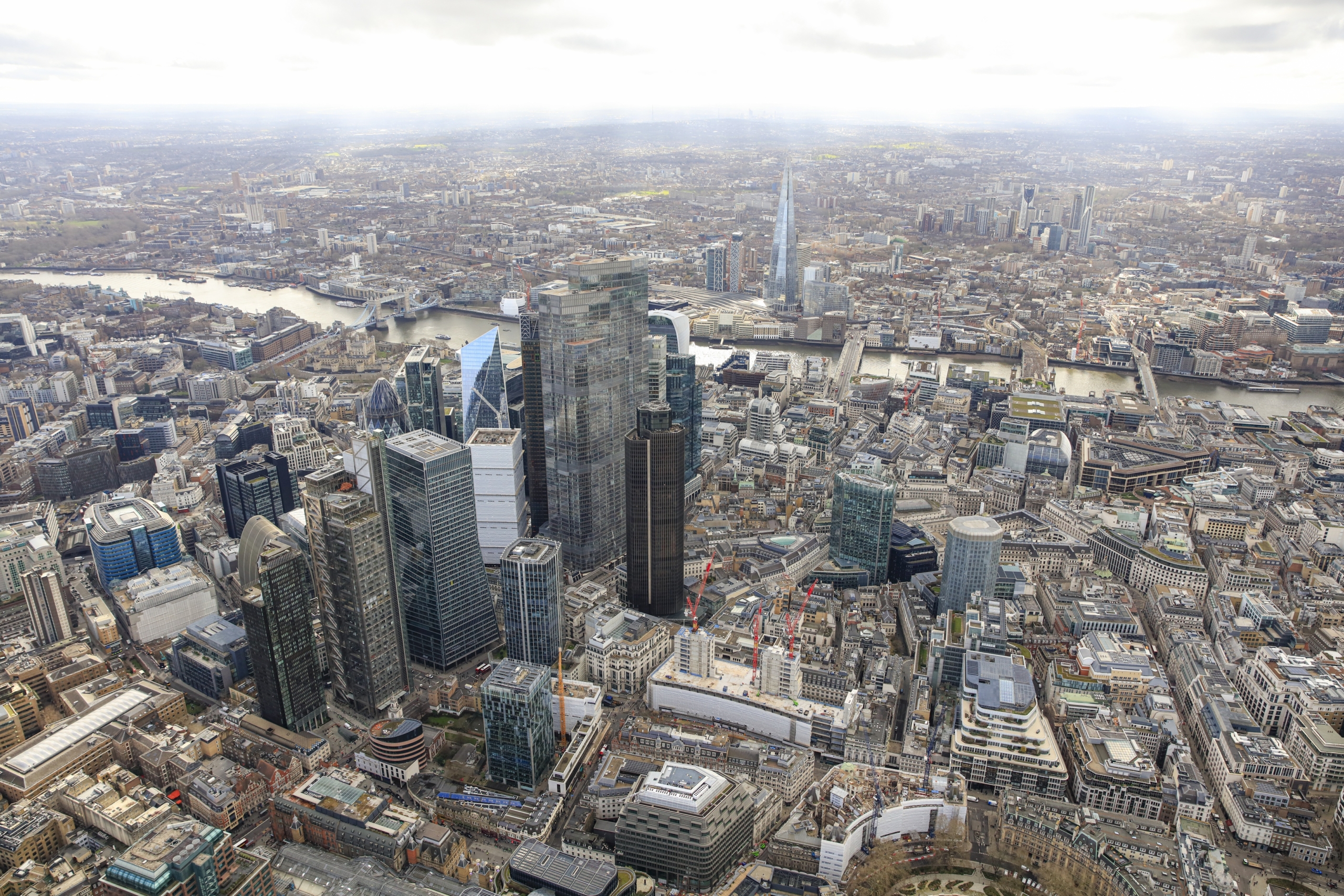
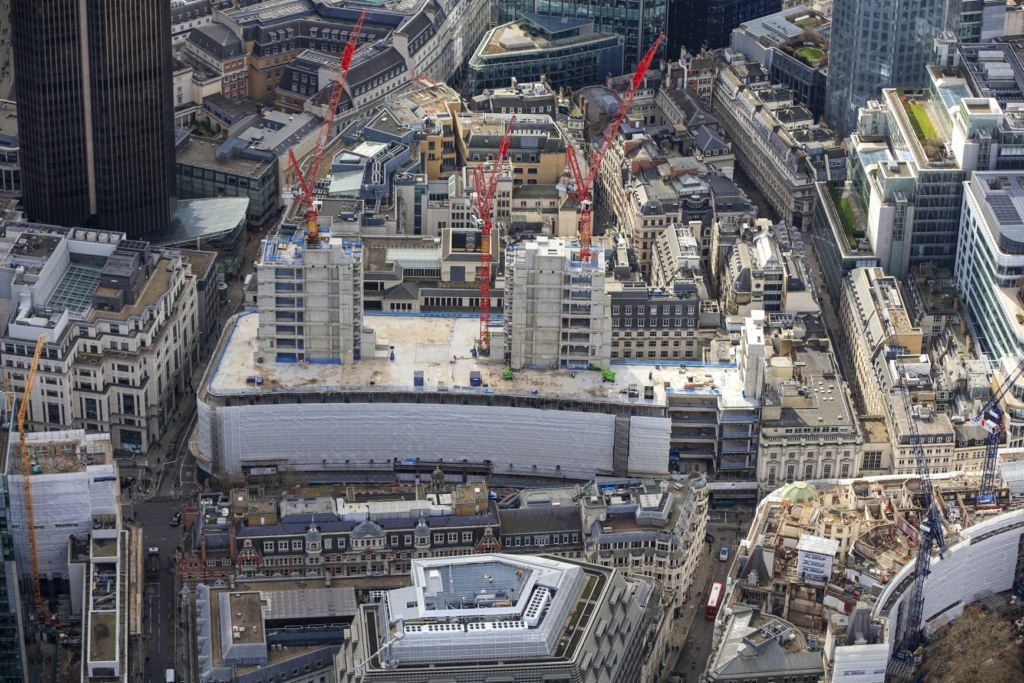
Google Maps view with the highlighted buildings
Engineering Challenges
Demolition Strategy and Slab Capacity
The existing structure comprised reinforced concrete frames with unbonded post-tensioned (PT) ribbed slabs. A key early challenge was verifying slab capacity under demolition loading, including 13t excavators and 32t trucks.
Swanton Consulting reviewed load paths and confirmed that internal forces remained within the original design limits, eliminating the need for extensive backpropping. Reusable proprietary systems were also specified to minimise material use and support a more sustainable construction approach.
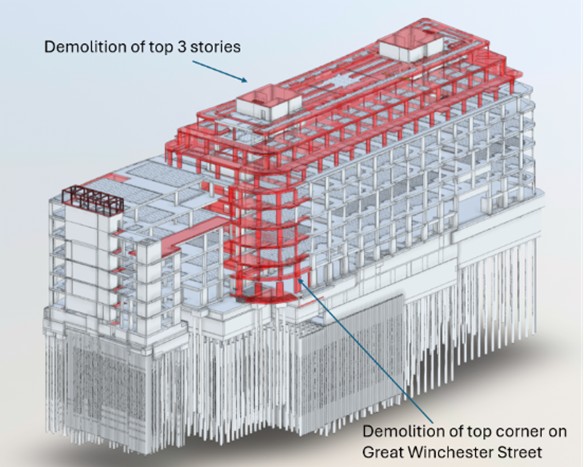
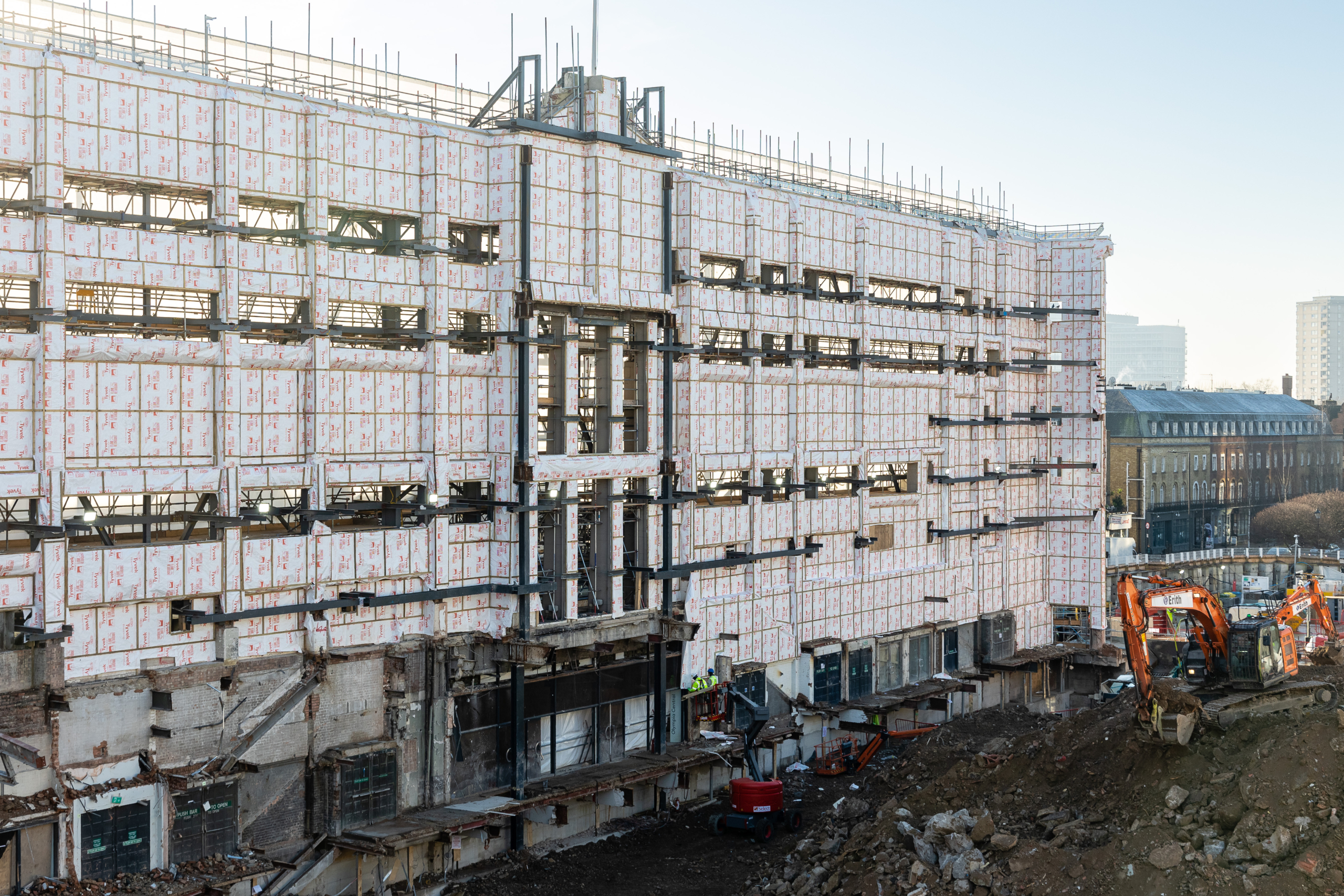
Demolition of the top 3 levels
Scope included demolition of the top 3 levels along with the Great Winchester street corner and a cut out in the main London Wall elevation.
Archive drawings
were used to produce initial assessments that were later confirmed by using on site investigations.
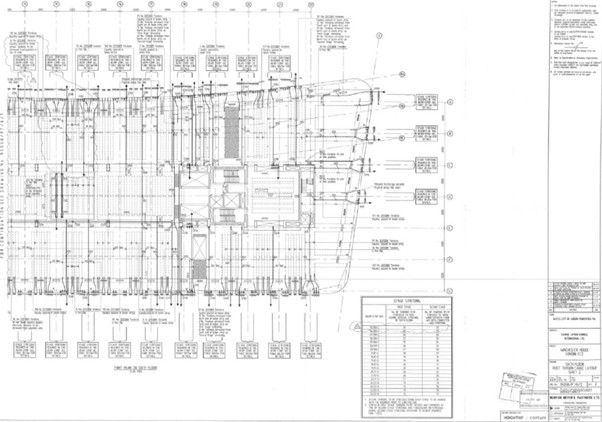
Rationalising PT Strengthening
CFRP strengthening was initially proposed for the PT slabs. Through detailed assessment, Swanton Consulting identified that finite element modelling had overestimated deflections due to the omission of tendon stiffness. Serviceability limits were subsequently demonstrated to be satisfied without strengthening.
This approach removed approximately £700k of unnecessary works, improving efficiency while maintaining structural performance.
Tower Crane Integration
Crane placement was critical to both stability and constructability. A coordinated strategy was developed to integrate crane positions with the retained structure:
• TC1E located on the retained west core to avoid full-height propping
• TC2E positioned over four central columns to utilise direct load paths
Preliminary checks confirmed that crane effects were lower than wind-induced actions, demonstrating that the existing structure could safely support operations with minimal intervention.
Key Design Solutions
Global Stability of West Core (TC1E)
Swanton Consulting carried out detailed global stability analysis using RFEM, modelling demolition stages alongside combined wind and crane loading.
Key considerations included:
• 360° crane load variation due to jib rotation
• Cracked concrete stiffness assumptions
• Core wall bearing and foundation reactions
Additional horizontal restraint was introduced to prevent long-term creep of the ballasted crane base, improving robustness. The analysis confirmed that no strengthening of the core was required.
PT Concrete Ribs
transferring load to a
PT Transfer Beam at Level 6
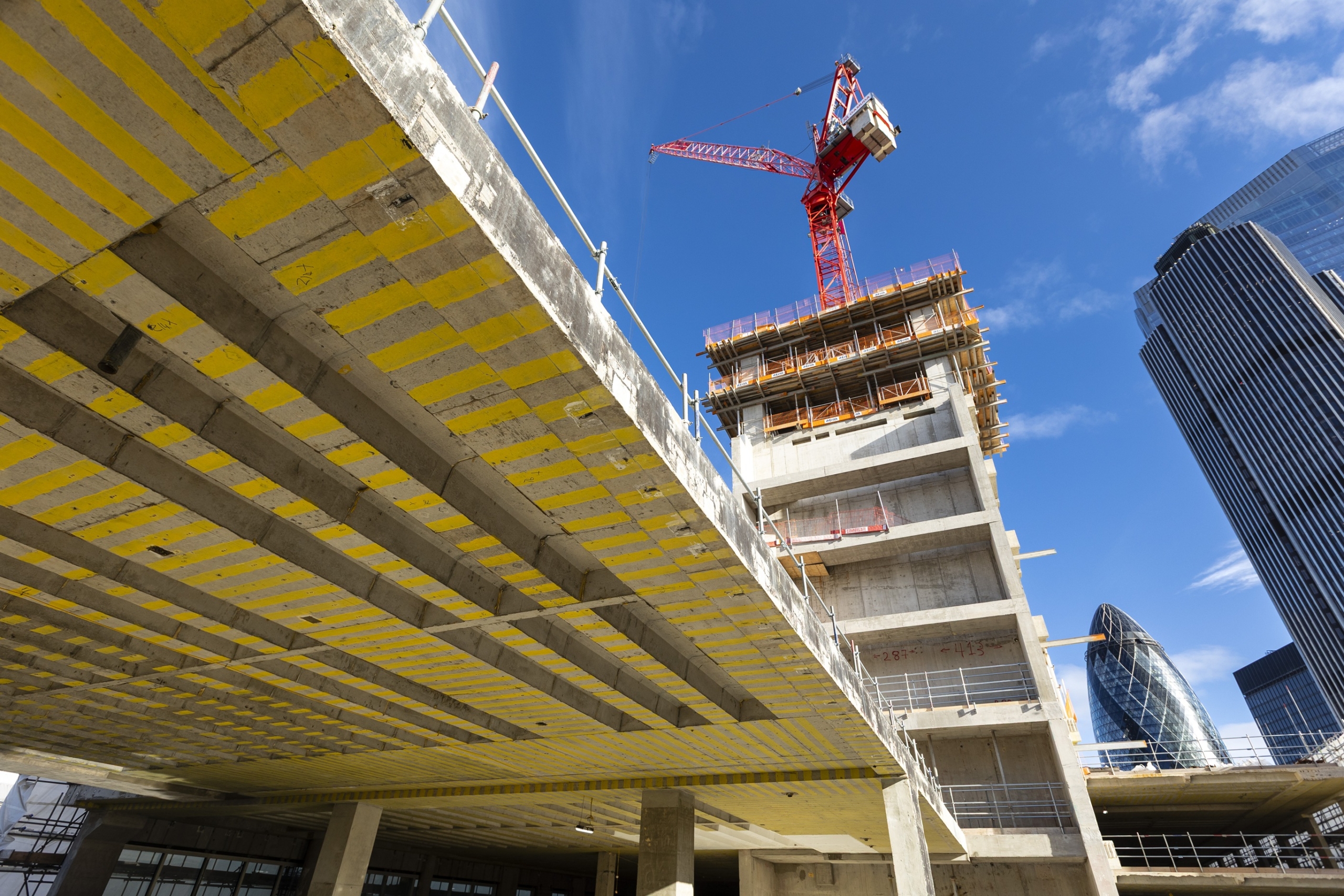
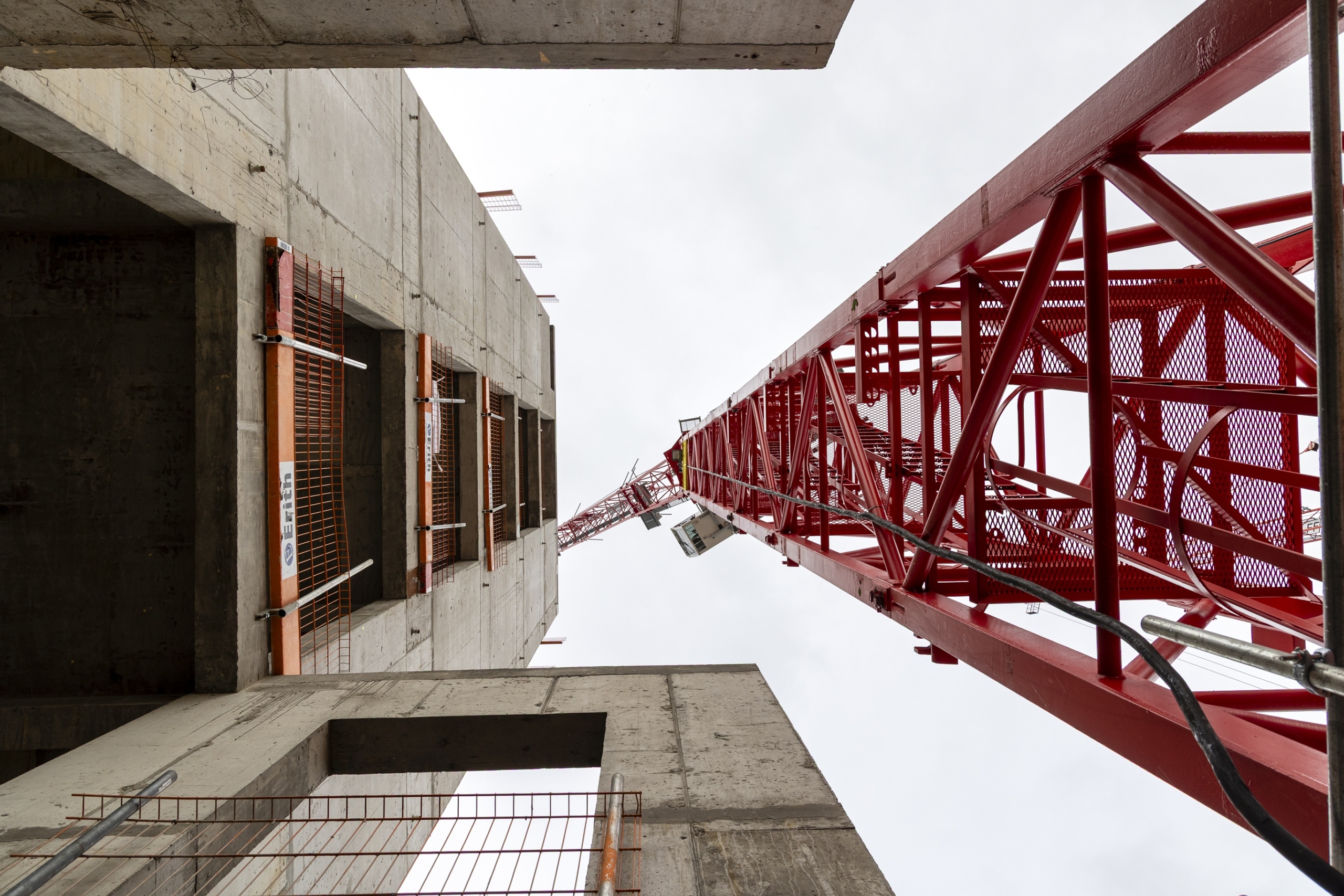
Tower Crane 2
assisting core jump-form construction.
Post-Tensioned Slab Re-Anchoring
New core openings required re-anchoring of unbonded PT tendons. Swanton Consulting developed a controlled and safe methodology, including:
• Staged tendon anchoring and cutting using proprietary systems
• Verification of ribs acting as reinforced concrete members without prestress
• Localised propping design using GASS props
Adequate capacity of the ribs was confirmed during intervention, enabling controlled demolition without overstressing the structure. Coordination with the architect ensured that clashes with façade requirements were efficiently resolved.
Testing Strategy and Commercial Resolution
Additional intrusive testing was requested post-design. This was challenged by Swanton Consulting based on previous load testing evidence and contractual scope.
A statistically robust sampling approach was developed in accordance with ISO 2859-1, incorporating defined acceptance criteria and force ranges for different tendon types.
This approach:
• Reduced potential costs
• Avoided programme delays
• Maintained safety through evidence-based validation
Conclusion
This project showcases Swanton Consulting’s expertise in delivering complex temporary works design on highly constrained urban redevelopment schemes. A combination of detailed technical analysis, coordinated design, and commercially driven decision-making enabled safe, practical, and cost-effective solutions, while maintaining compliance with relevant standards and supporting sustainable construction outcomes.